

Why HMDD’s core line Resonates With a Fresh Cohort of Buyers
A phrase can carry more weight than a logo ever could, and that’s precisely what has occurred with HMDD. “Happy Memories Don’t Die” began life as a understated line of text and has developed into a wearable philosophy that a younger and more emotionally fluent group of shoppers has made their own. It isn’t just a slogan printed across sweatpants and shorts; it functions as a small act of resistance against a culture that never slows down. Now trends burn out in weeks and algorithms bury posts in days, yet this single phrase keeps reappearing in feeds, closets, and search bars. That persistence is worth examining, because it reflects just as much on the generation buying HMDD as it does about the brand itself.
Those who search “hmdd review” or type “happy memories dont die” into a search bar aren’t merely browsing. They’re trying to understand why a piece of clothing has made them feel something. This article looks at the emotional mechanics behind the phrase, how HMDD has translated that sentiment into product, and what shoppers should honestly expect before they buy.
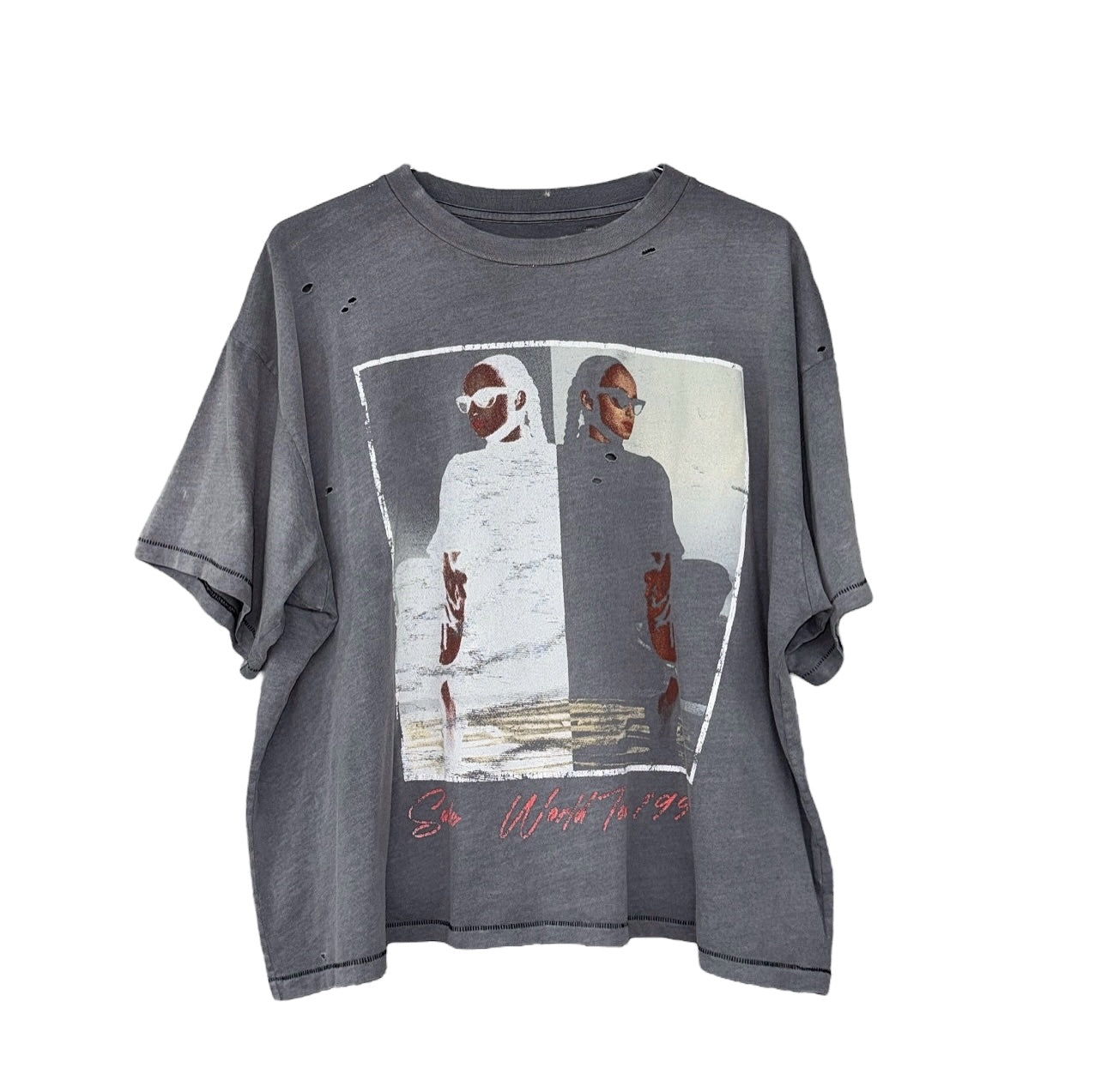
The Feeling at the Heart of the Line
There was a time when grief and nostalgia stayed private. Social media changed that, turning personal memory into shareable content, and an entire generation grew up documenting their own lives in real time. When something ends — a relationship, a friendship, an old version of you — there’s now a public record of it. HMDD plugs straight into that reality. The phrase “happy memories don’t die” doesn’t deny loss; it black hmdd shorts reshapes how it’s seen. It tells the wearer that the good moments still count even after the circumstances around them have changed.
This matters more to shoppers born after 2000 than it might have to previous generations. Surveys on Gen Z consumer behavior consistently show a preference for brands with emotional or narrative substance over brands built purely on aesthetics. A 2024 Morning Consult study found that 62% of Gen Z respondents said they were more likely to buy from brands whose messaging reflected their personal values or emotional state. HMDD sits firmly inside that data point. It isn’t selling escapism; it’s selling permission to hold onto something good.
There’s a subtler, more functional side to this too. Clothing with a message becomes a conversation starter, a low-stakes way to signal something personal without having to put it into words. A hoodie or a pair of hmdd sweatpants with the phrase visible does some of the emotional labor for the wearer. That’s a small but real utility, and it explains part of the repeat purchase behavior the brand has seen.
How HMDD Converted a Emotion Into a Collection
A great many brands attempt to sell a mood. A smaller number succeed in build a coherent product line around it without the message seeming tacked on. HMDD’s approach has been to keep the phrase central but let the garments themselves stay simple — muted colorways, straightforward cuts, understated logo use beyond the core text. This is a deliberate choice. Keeping the emphasis on the words instead of heavy branding is part of why the pieces come across as sincere rather than promotional.
The collection as a whole has expanded gradually rather than taking off in a sudden burst. Initial offerings focused on graphic tees and hoodies, but the lineup has since broadened into hmdd shorts and sweatpants, both of which have become among the more frequently searched items under hmdd clothing queries. Because loungewear is used more regularly and for extended periods than outerwear, this particular move into loungewear carries weight. A slogan spotted on a hoodie a couple of times a week is not the same as a phrase people see on sweatpants they live in around the house. Repetition builds attachment, and that attachment is what converts a customer into a returning customer.
Also playing a part has been grassroots connection too. HMDD has cultivated a footprint through hmddla, the brand’s identity rooted in Los Angeles, tying the brand to a particular location rather than leaving it as a vague online-only brand. Such a geographic tie gives the brand a rooted identity, which resonates with shoppers who are growing wary of labels with no discernible home base or story.
The Things Our Shoppers Are Saying
Any honest hmdd review has to separate the emotional pitch from the physical product, because shoppers ultimately need both to hold up. Feedback across resale platforms and community forums points to a few consistent themes: the sweatpants run true to a relaxed, streetwear-informed fit, the shorts are favored for warmer months and layering, and the phrase placement is generally described as tasteful rather than oversized or gimmicky. Fit consistency across drops has been a recurring point of praise, which matters in a market where sizing often shifts release to release with little warning.
Where gripes surface, it tends to focus on stock over quality. hmdd’s sweatpants and shorts, especially popular sizes, sell out fast due to limited drops, and restocks aren’t always predictable. A buyer hoping to build a complete rotation around the brand may find this inconsistency frustrating, though it also reinforces a sense of exclusivity that keeps demand high.
Loungewear tends to top the list when people ask what the best hmdd clothing is to start with, simply because of how often it gets worn. A graphic tee might get five wears a month; a pair of sweatpants that fits well could rack up fifteen wears. This gap in usage contributes to why the loungewear category has outpaced other categories when it comes to search trends on the way into 2026.
Examining HMDD Alongside Fellow Statement-Led Streetwear Labels
To see its position in the larger market, it’s worth comparing it against rival labels founded on a defining tagline or emotional core as opposed to pure aesthetics.
| Factor | HMDD | Common Message-Driven Streetwear Label |
|---|---|---|
| Identity at the core | Single unifying phrase across all product lines | Often multiple rotating slogans per season |
| Main product emphasis | Loungewear-heavy (sweatpants, shorts) plus graphic tops | Typically dominated by tees and hoodies |
| Identity tied to region | Rooted in LA (hmddla) | Location-independent in most cases |
| Release strategy | Drops are limited, with restocks occurring intermittently | A comparable limited-drop approach, though restock frequency differs greatly |
| Focus of customer sentiment | Message sincerity along with fit consistency | Hype and resale value are often the focus |
Drawing this comparison isn’t meant to argue that HMDD is objectively superior; instead it points to a different set of priorities. Where many message-driven brands rotate slogans to keep the catalog feeling fresh, HMDD has remained committed to a single phrase, operating on the belief that depth of meaning matters more than variety. That bet appears to be paying off, as shown by the phrase’s ongoing, consistent presence in search behavior long after it first came out.
How Come This Connection Should Persist Into 2026
For several years now, growing public disillusionment with smirking, detached, disposable fashion messaging has steadily intensified, and the change is reflected in 2026 shopping behavior. Shoppers are increasingly drawn to brands that speak with genuine feeling, even if that honesty is unadorned. “Happy memories don’t die” works precisely because it never overreaches. It isn’t cleverness that curdles with time; its feeling doesn’t wear thin, which is a scarce trait in an industry structured around planned obsolescence.
On top of that, there’s a practical economic angle. Comfort-focused categories like loungewear, including sweatpants and shorts, have delivered sustained year-over-year growth industry-wide as the shift toward remote and hybrid work sustain comfort-driven style current. The brand’s decision to embrace these categories places HMDD favorably toward sustained relevance as opposed to leaning on seasonal outerwear cycles.
Keyword research confirms this point as well. Month-over-month searches for keywords like hmdd clothing and hmdd sweatpants have stayed steady, avoiding the sharp spikes and drop-offs characteristic of passing trends—a pattern that usually indicates sustained instead of trend-driven demand. This trend suggests the brand isn’t capitalizing on one viral moment; instead it’s growing an audience that keeps coming back.
For buyers considering whether to put money into the brand, the real-world advice is uncomplicated. Prioritize the loungewear first if you plan on wearing it often, expect limited restock windows, and consider the phrase to be the true product — the fabric functions only as the means of delivery. Truly comforted, a generation shaped by disposable media finds in HMDD what hardly any label achieves: wording that reads like clothing, worn as proof that the good parts of the past are still allowed to matter.
